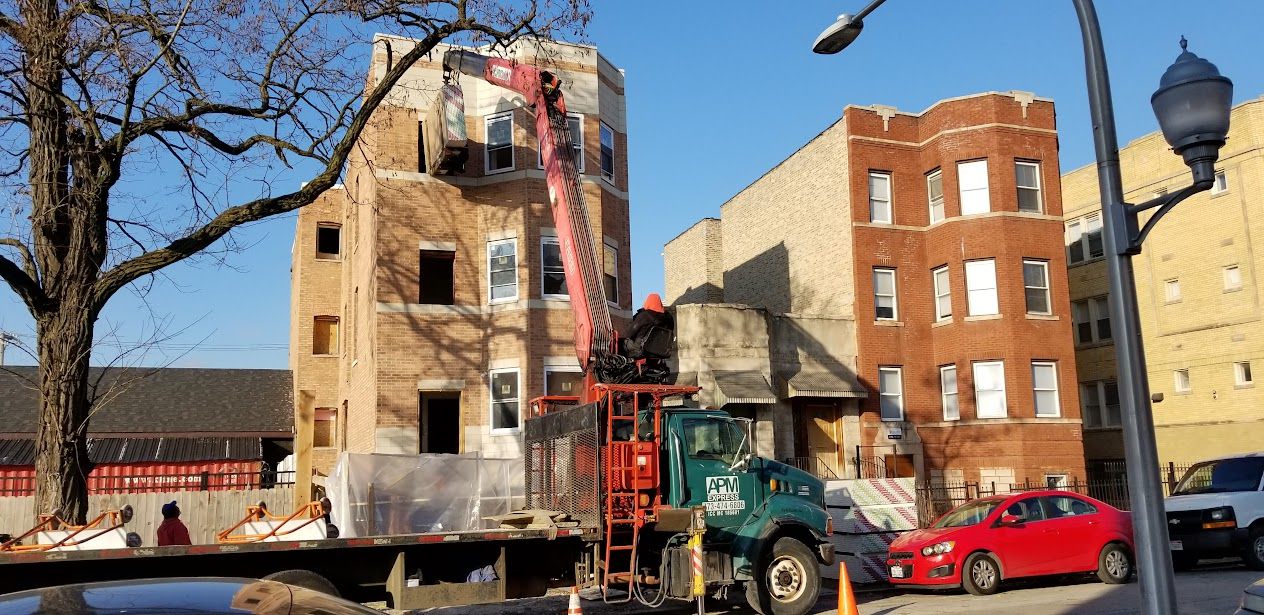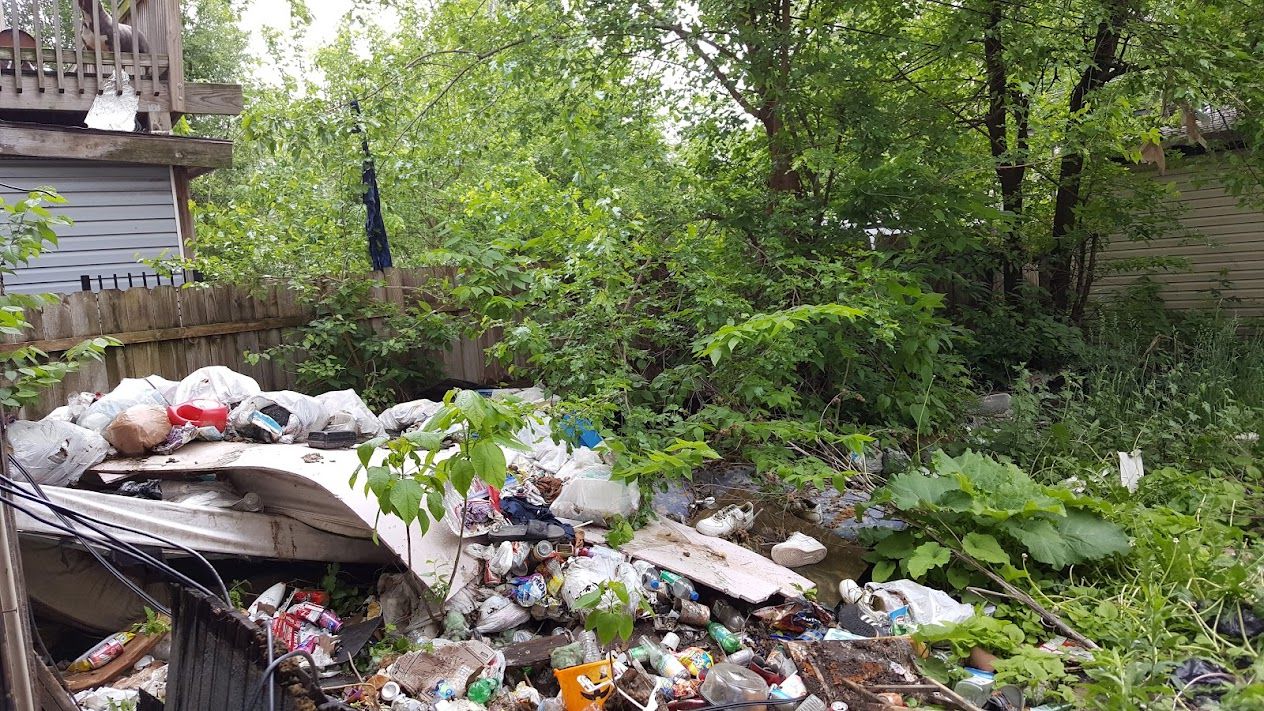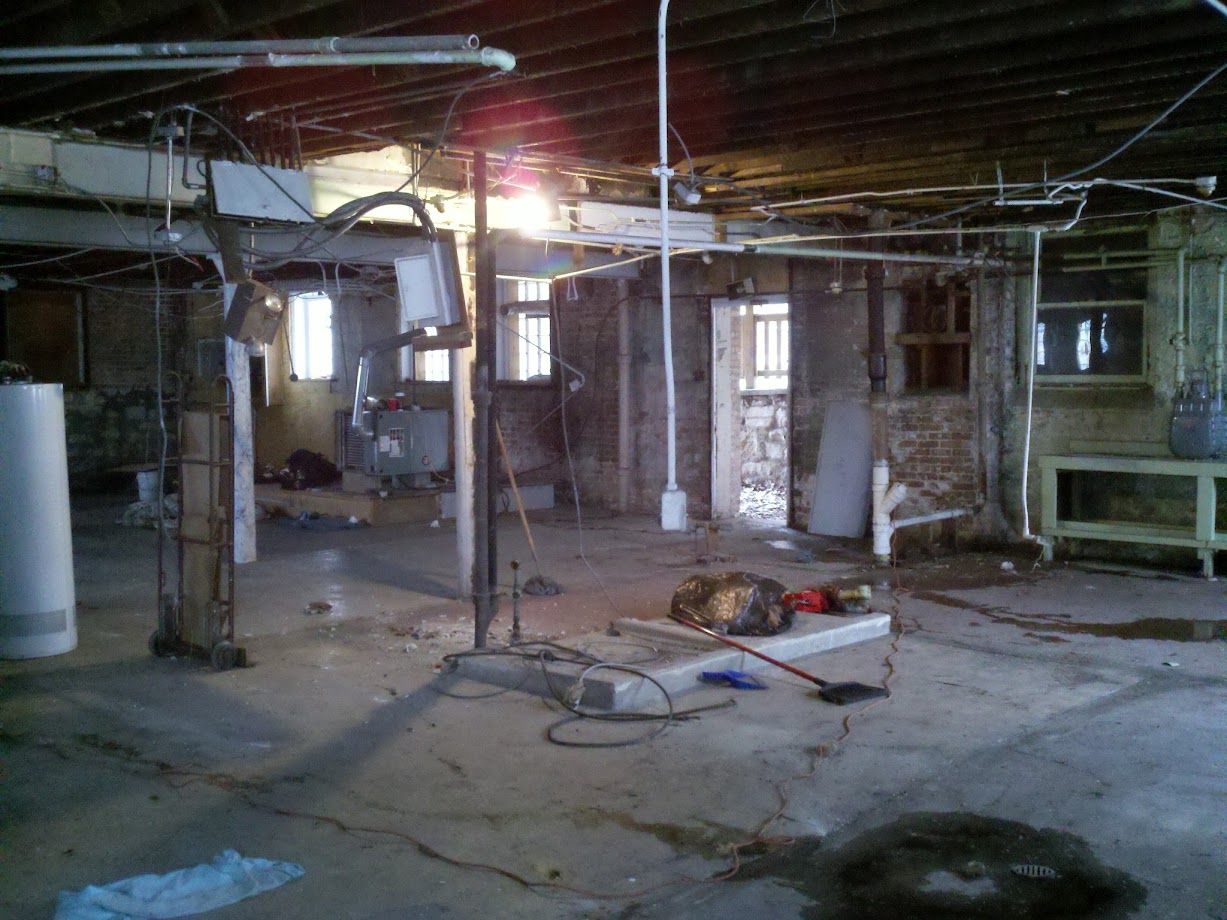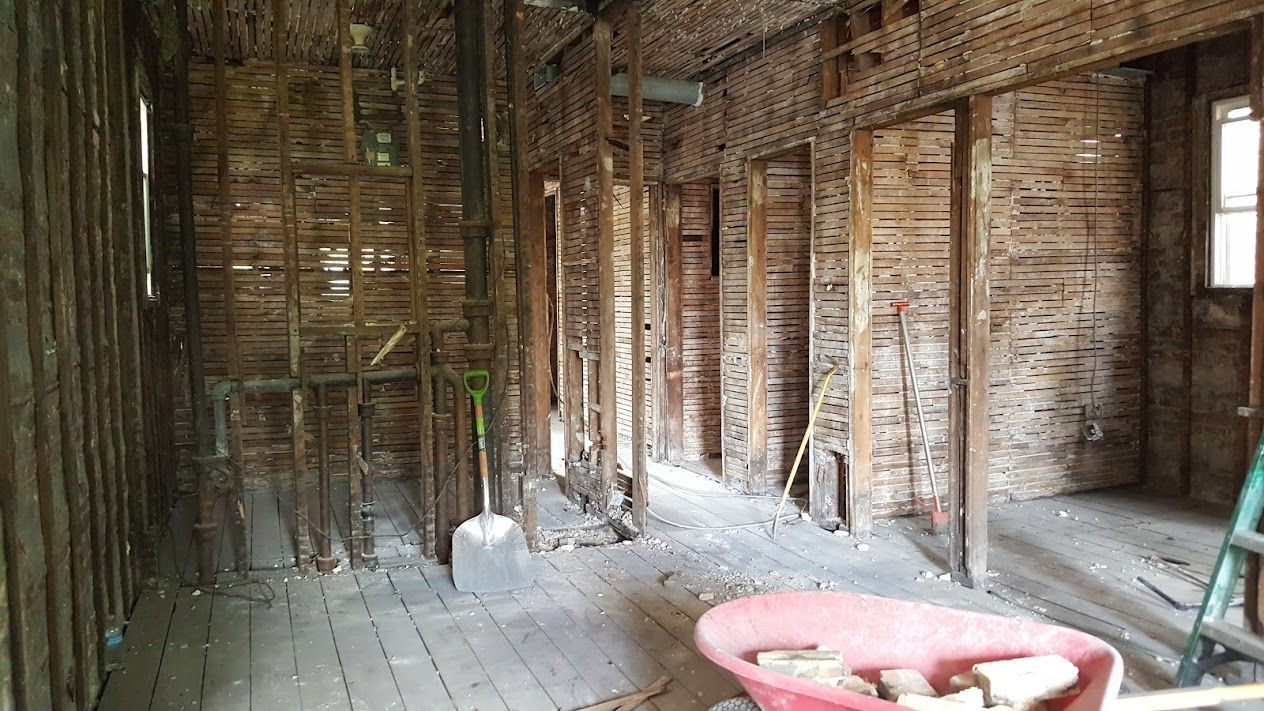
We acquire distressed property in North Lawndale and West Town, then rebuild it with crews hired from the same blocks.
Distressed buildings are cheap. Trust on the block is not. We buy the first and have spent years earning the second.
That pairing is what lets a rehab in Lawndale get permitted, get built, and stay intact after the crews leave. Local hiring is not a paragraph in an impact appendix here. It is how the work gets done, and much of why the buildings hold up.
Vacant lots, blighted structures, and underserved corridors that conventional developers write off. Work is aligned with federal HUD guidelines and Illinois state development programs.
Crews are hired from the same blocks we build on, so construction spend stays in the community area. From framing to property management, neighbors build careers where they live.
Deals are structured for competitive, risk adjusted returns to commercial investors, private partners, and participating agencies, with transparent reporting at every stage.


For investors
Title and code review before close. Priced against rebuild cost, not comparable sales.
Full architectural set through a licensed architect, then City of Chicago permit.
Neighborhood crews on a fixed scope, under our own superintendent.
Lease up and manage, or hand the finished building to a community operator.
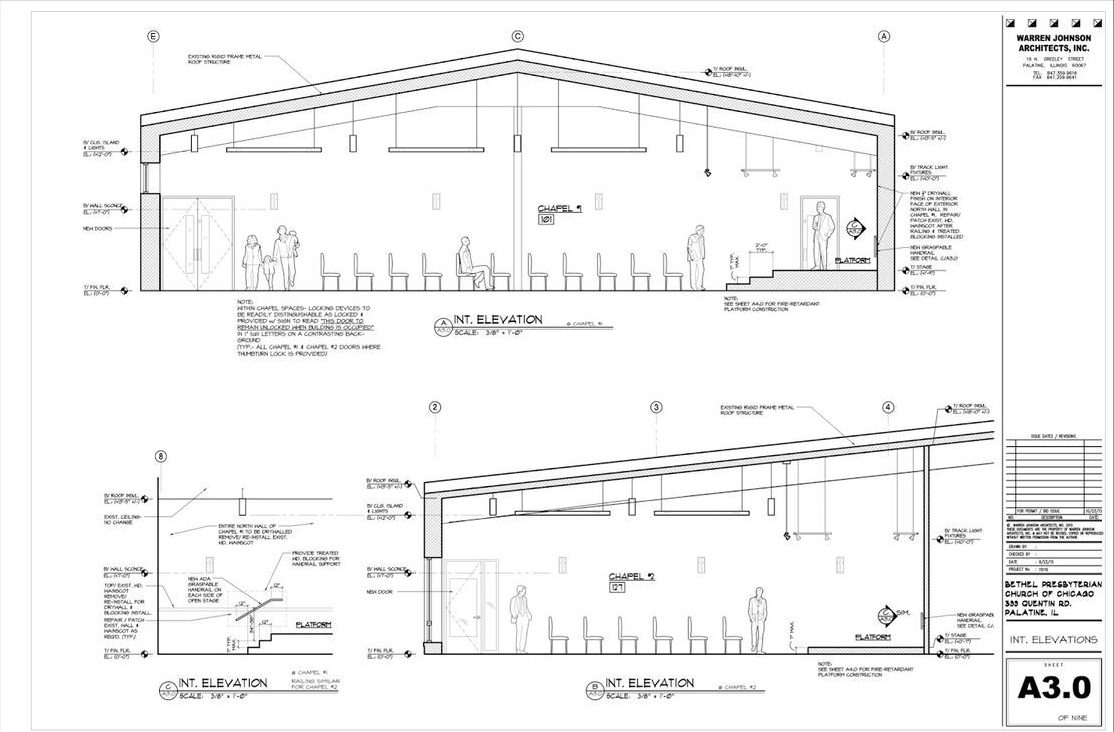
Permit set, building section


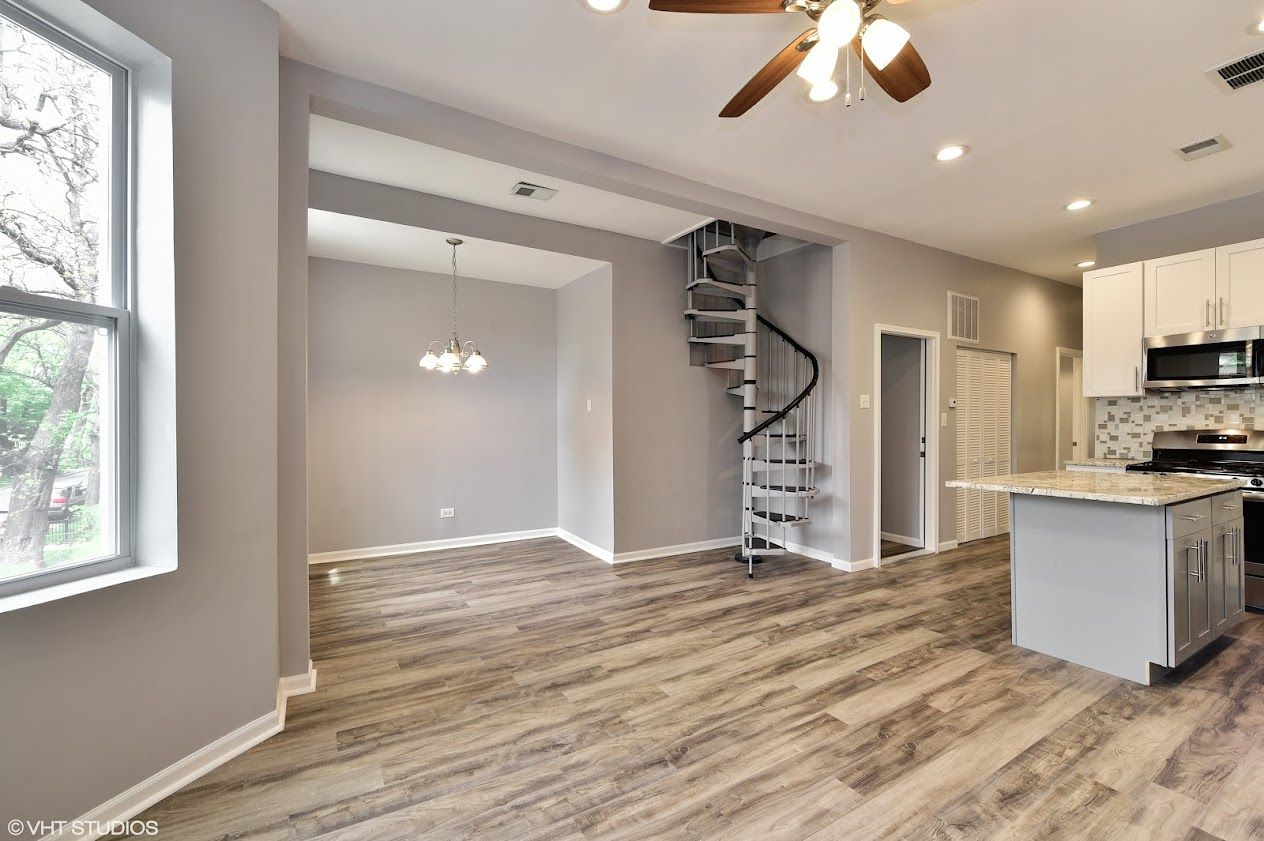
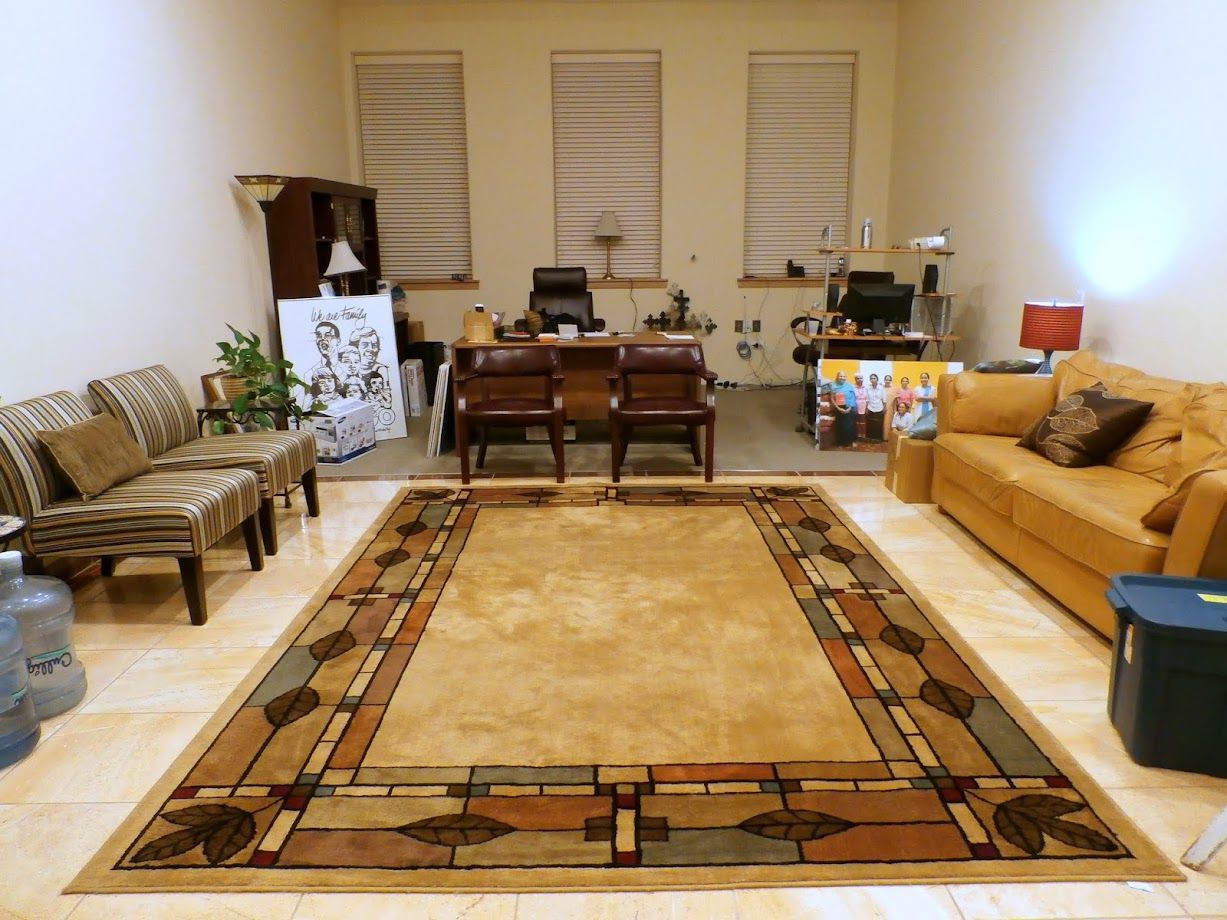
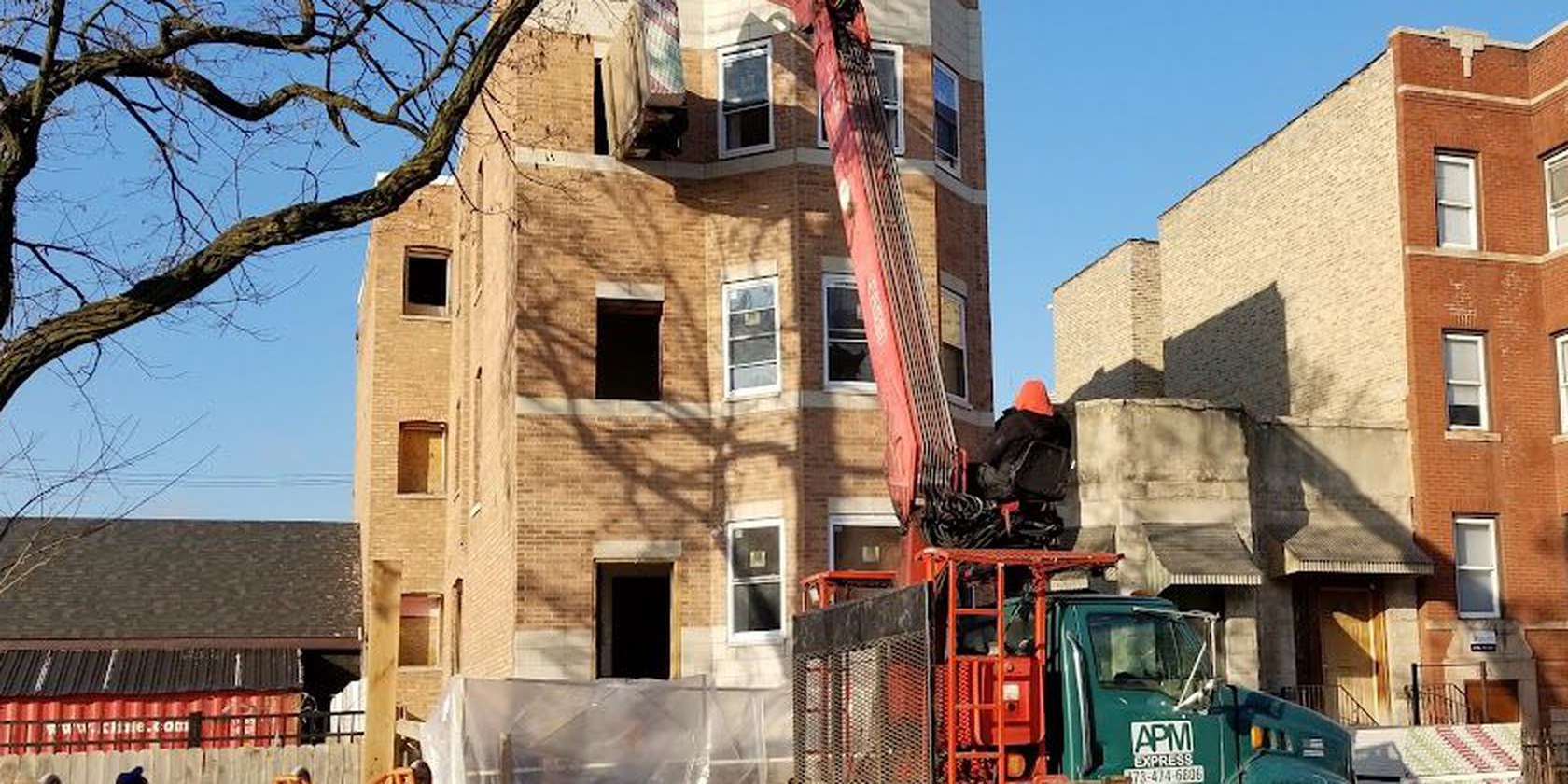
Five new apartments on the 1500 block of South Harding. Rockwell Community Center, near North and Western.
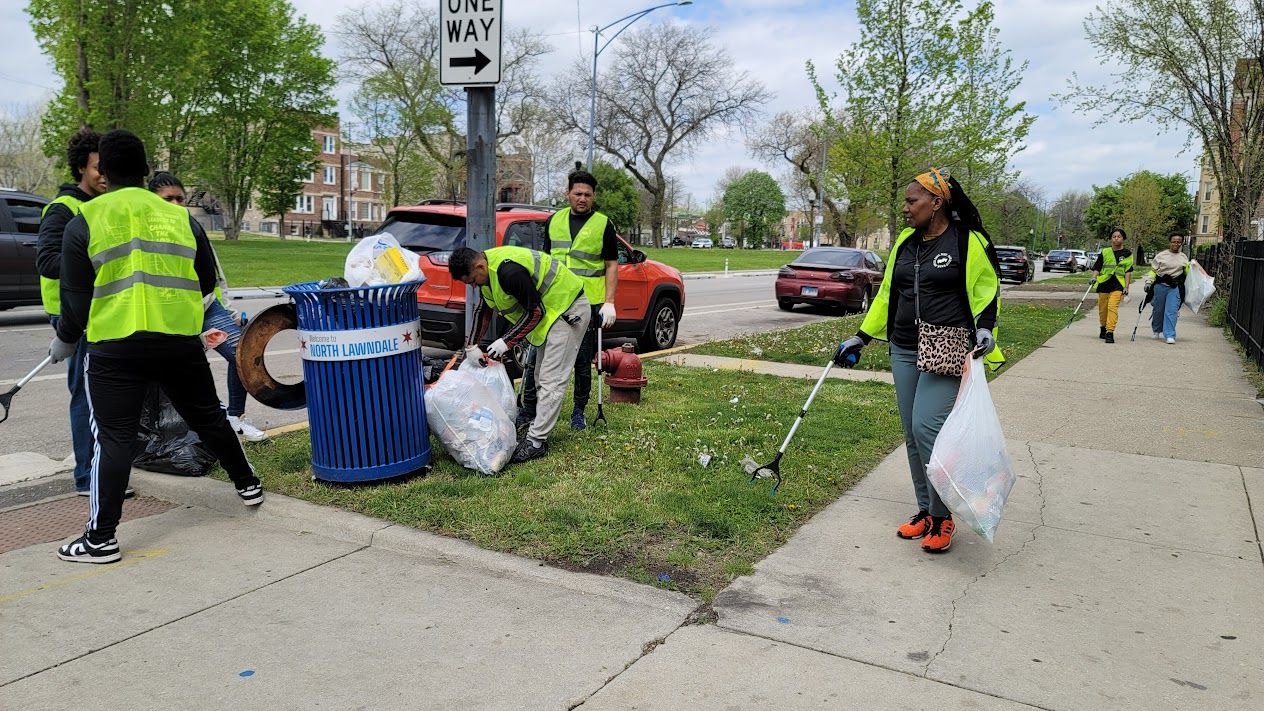
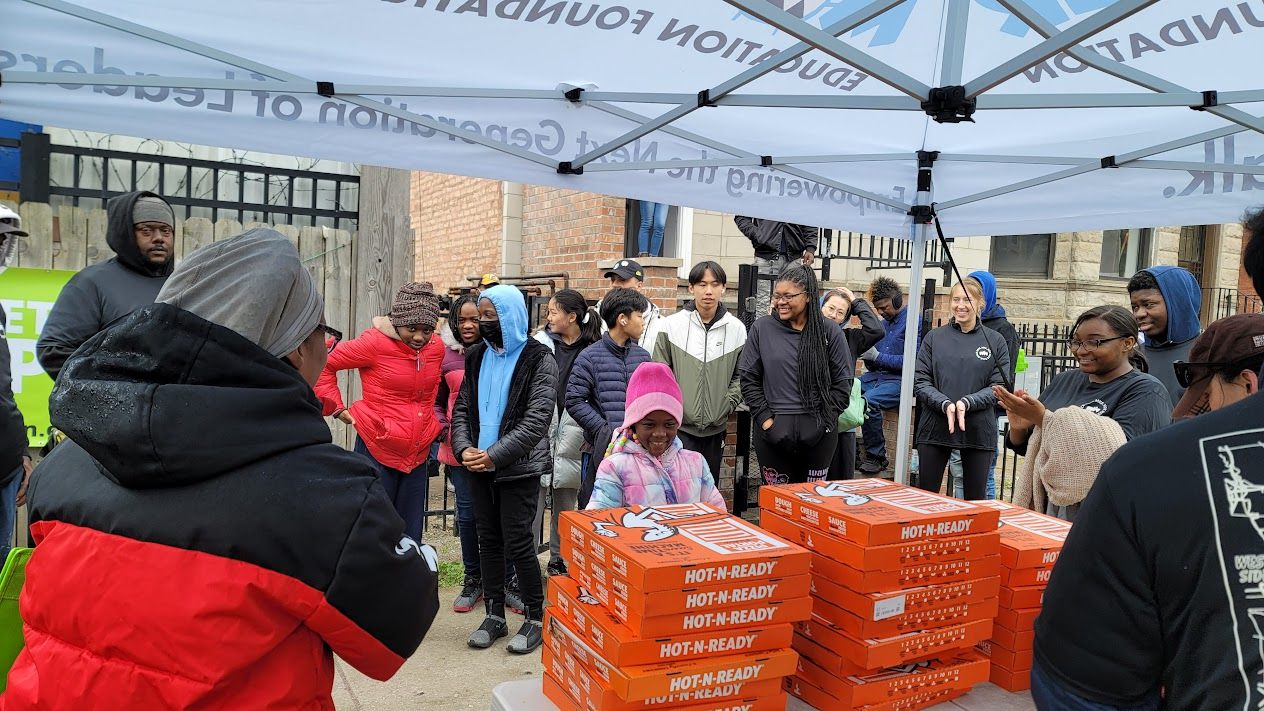
Cleanup days, distributions, a gym and meeting space the block actually uses.
Buildings surrounded by neighbors who want them to succeed lease faster and take less damage. That is the quiet half of the underwriting, and it is the half that takes years rather than months to build.


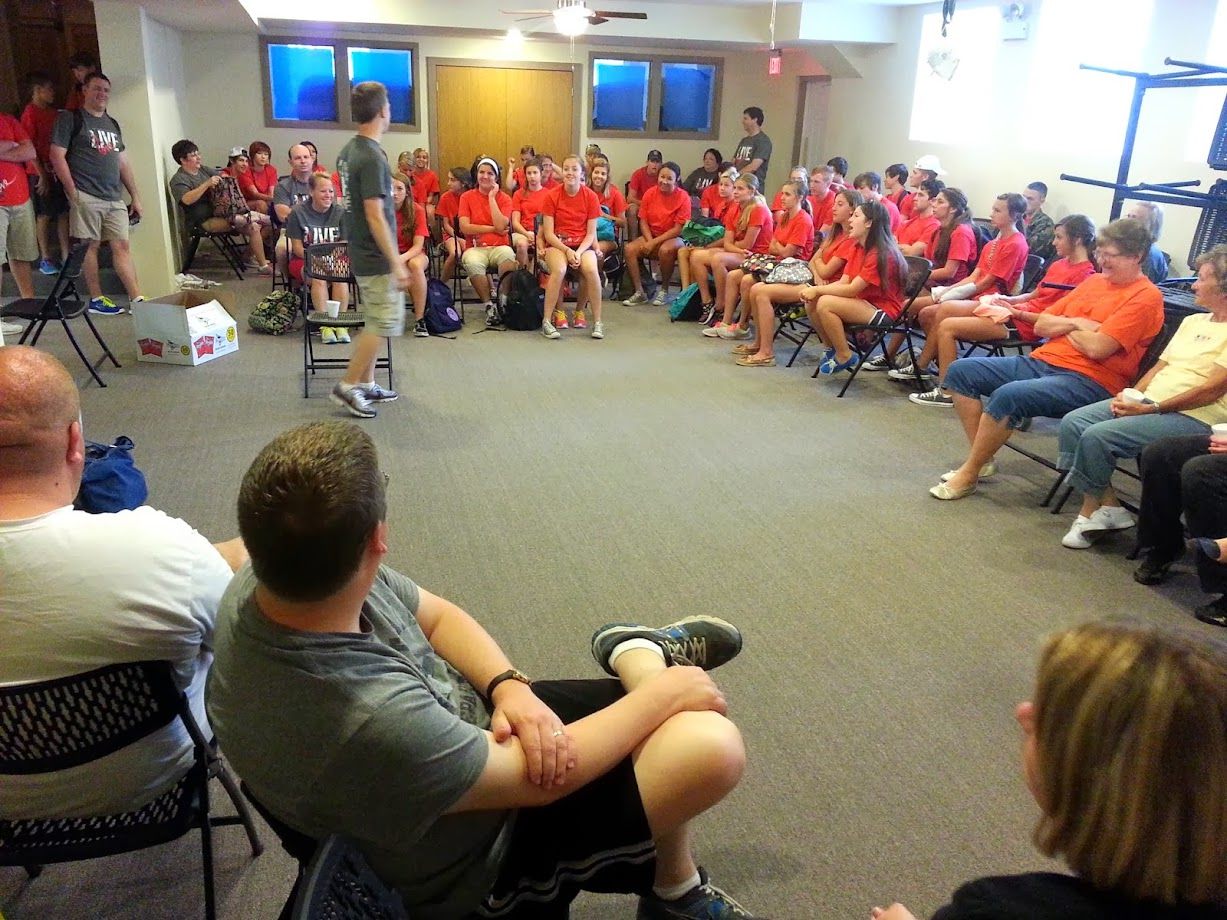
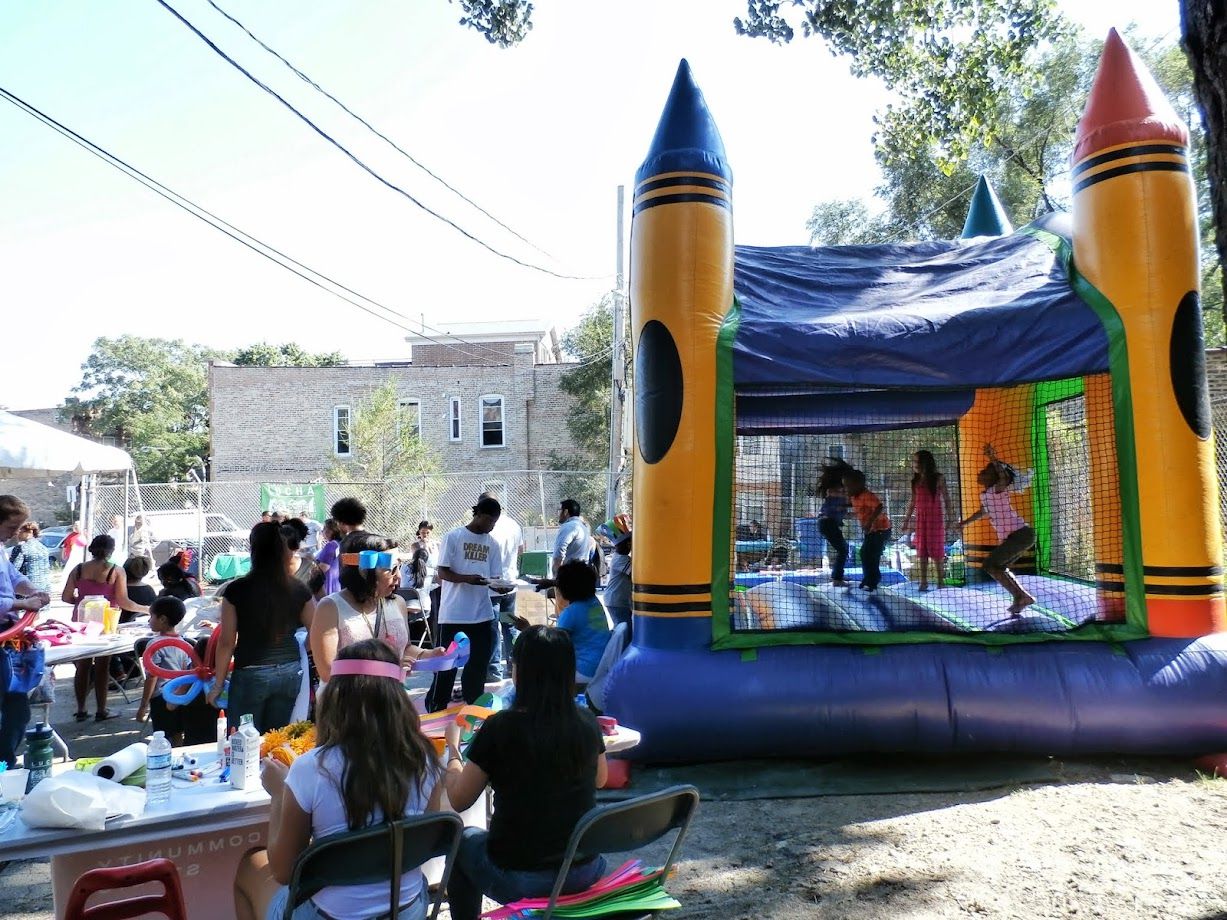
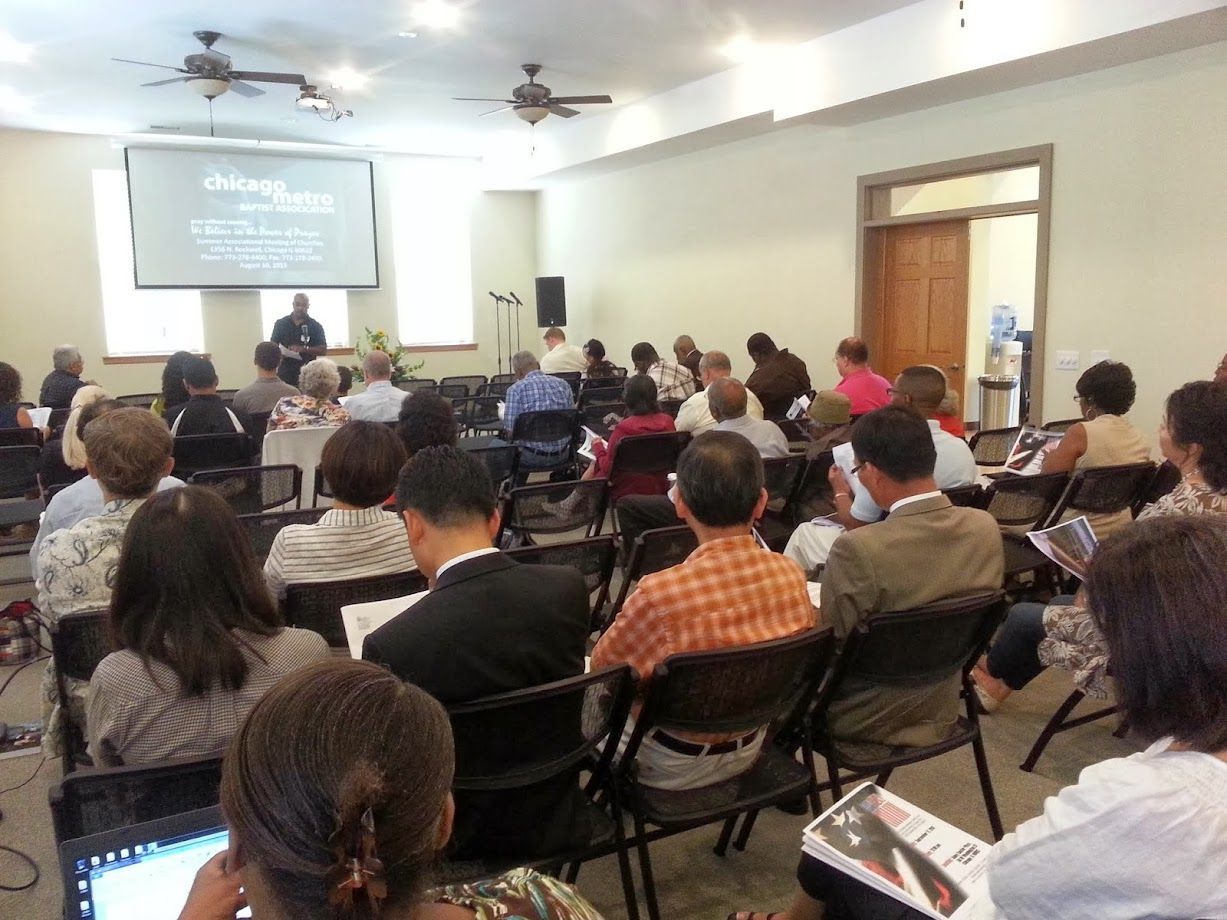
Cleanup day, distribution, indoor sport center, family day, community meeting
Get in touch
Whether you invest, fund, or organize on these blocks, we want to hear from you.
Building Pathways — a Calling Water Chicago program
Twenty weeks. 270 hours. OSHA-10, First Aid / CPR and a nationally recognized construction credential — then a route into a registered apprenticeship, with someone whose job is to get you through the door.
At a glance
Building Pathways is a construction pre-apprenticeship run by a developer, not a school. You train in a classroom, practise in a workshop, and then work supervised hours on a live 26-unit rehabilitation.
There is no tuition. Participants receive a performance-based stipend, and the program pays for boots, PPE, hand tools, credential and testing fees, transit, childcare assistance and apprenticeship application fees. Twenty-five people are admitted to the cohort.
Why this program exists
Illinois is projected to open about 10,500 positions a year across five construction trades between 2024 and 2034.
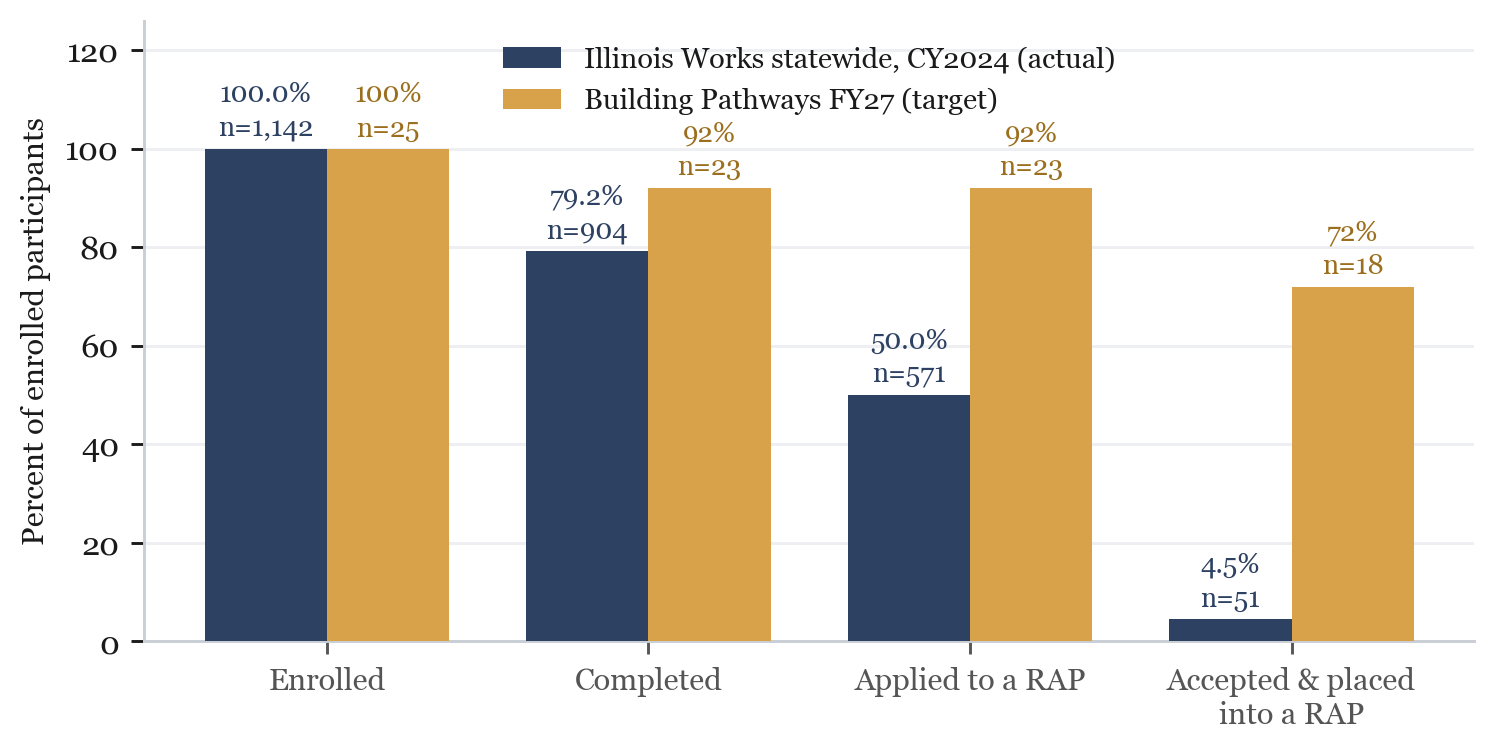
In calendar year 2024 the entire Illinois Works pre-apprenticeship network — 25 funded organizations across the state — graduated 904 people. Of those graduates, the organizations’ own annual reports record 520 who applied to a registered apprenticeship and were put on a waitlist, and 51 who were accepted and placed.
Training is not the bottleneck. The hand-off is. Building Pathways is built around that hand-off: applications filed on each sponsor’s real calendar while you are still in class, a signed record of what you can actually do, and paid supervised field work to hold you until a class opens.
Source: Illinois DCEO, Illinois Works Program Act Community-based Organization 2024 Annual Report, aggregated across all 25 grantee reports.
Where you train
Most pre-apprenticeships rent a room and arrange a site visit. This one is run by a company that owns the buildings.
Construction mathematics and measurement, essential employability skills, OSHA-10, First Aid / CPR, the approved national construction curriculum, apprenticeship entrance-test preparation, financial literacy, and the résumé and interview workshop.
A ground-floor workshop fitted out as a construction laboratory: a layout and measurement bench, a framing mock-up wall, a tool and PPE station, a drywall and finish panel, a materials and sequencing board, and supervised mechanical rough-in demonstrations. You practise here until the method is right, before it goes near a live site.
Five crews of five rotate through a real multifamily rehabilitation by work phase, at a five-to-one ratio with a journey-level supervisor: site protection, demolition preparation, rough carpentry, rough-in observation, weatherization, drywall and finish preparation, and a punch-list walk. Licensed work stays with licensed tradespeople. You do not replace anyone’s job; the work you do is additive to the contract.
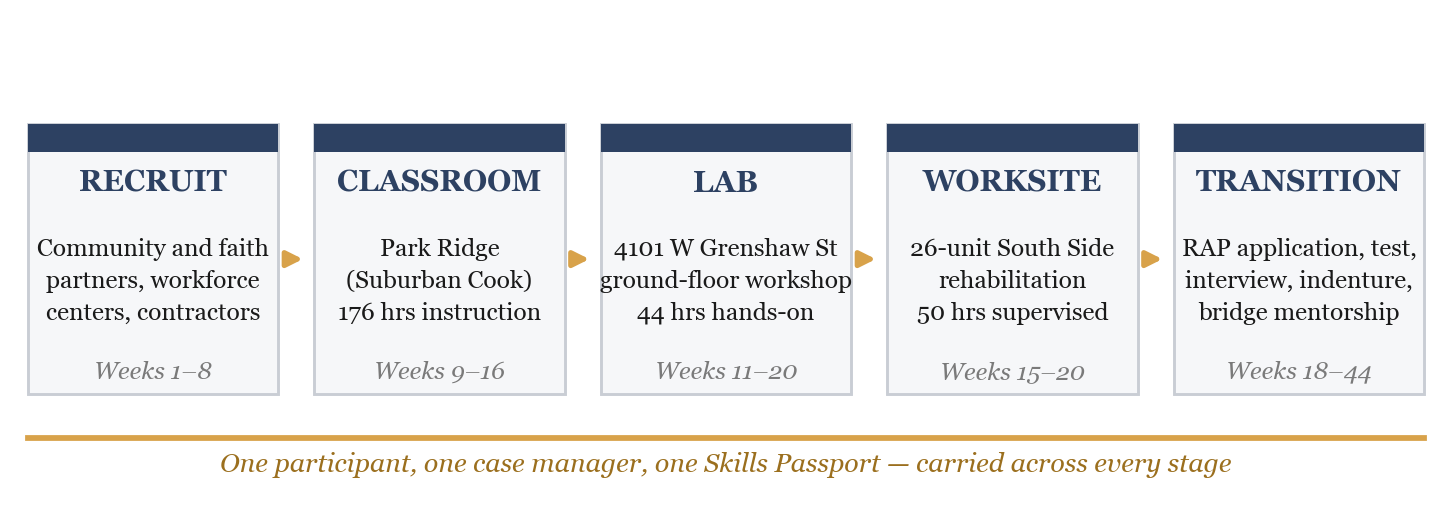
The shape of it
You are not handed off between programs. The same case manager carries your support plan from the first phone call to the day you are indentured, and the same Skills Passport collects every credential, every competency and every hour along the way.
What you learn
The credential component uses an Illinois Works-approved curriculum delivered by a contracted training provider. The employability component includes the required harassment-prevention and diversity and inclusion instruction.
Priority trades are carpentry, construction laborer, electrical, plumbing and pipefitting, and HVAC, with additional exposure to drywall, flooring, painting, weatherization, concrete and building maintenance.
| Component | Hours | Where |
|---|---|---|
| Illinois Works orientation | 4 | Park Ridge |
| Construction careers and apprenticeship exploration | 8 | Park Ridge |
| Construction mathematics and measurement | 24 | Park Ridge |
| Essential Employability Skills | 40 | Park Ridge |
| OSHA-10 Construction | 10 | Park Ridge |
| First Aid / CPR | 6 | Park Ridge |
| Approved national construction curriculum | 56 | Park Ridge |
| Construction laboratory, hands-on | 44 | Grenshaw workshop |
| Apprenticeship entrance-test preparation | 12 | Park Ridge |
| Financial literacy and life skills | 8 | Park Ridge |
| Résumé, interview and application workshop | 8 | Park Ridge |
| Job-site work-based learning | 50 | 26-unit site |
| Total | 270 |
The 20 weeks
Interview and screening. A barrier assessment across transport, childcare, income, housing, documentation and licensing, and a written support plan within five business days. Applications go out immediately to any apprenticeship sponsor whose window is open — some close before the cohort even starts.
Construction mathematics, employability skills, OSHA-10, First Aid / CPR and the approved construction curriculum in Park Ridge, with workshop sessions beginning in week 11.
Forty-four supervised hours at the Grenshaw bench. Every method is practised to a standard here before it is applied on a live site.
Fifty supervised hours on the 26-unit rehabilitation, in a crew of five with a journey-level supervisor, rotating by work phase.
Entrance-test preparation and testing, sponsor training-center visits, mock interviews with contractor partners, and remaining applications to year-round sponsors.
If you are accepted, indenture support: tools, transport, first-day readiness. If you are waitlisted, a separately funded paid field mentorship keeps you in supervised, paid work until a class opens. Quarterly follow-up runs for a full year after completion.
What you leave with
A signed record designed to answer one question quickly: what can this person actually do on Monday?
Every line carries a date, the site where it was demonstrated and the signature of the person who watched you do it — so an apprenticeship sponsor or an employer does not have to take anyone’s word for it.
After the program
Registered apprenticeship sponsors do not accept applications year-round, and the windows do not wait for your graduation date. Ours is planned backwards from theirs.
Sponsor names are the registered apprenticeship programs Building Pathways is working toward, drawn from the Chicago & Cook County Building and Construction Trades Council directory and the sponsors’ own published pages. No sponsor has committed to this program, and no placement is guaranteed. Application windows, fees and requirements are set by each sponsor and change; always check with the sponsor directly.
Who it is for
Building Pathways recruits in Park Ridge and northwest suburban Cook County, North Lawndale, and on the South Side, and reaches deliberately toward groups the trades have historically left out — including Asian, Black and Hispanic / Latino residents, women, veterans, immigrants, and people out of work or underemployed.
The program is open to every eligible applicant regardless of religion, race, ethnicity, gender or background. Participation in any religious activity is never a condition of enrollment or of access to a service.
For partners
Contractors, employers and apprenticeship sponsors: we are looking for mentor hours, training-center visits, mock interviews and consideration of qualified graduates. Use the form below.
Get in touch
The cohort is not open yet. Leave your details and we will contact you when screening opens.
Building Pathways is a proposed Illinois Works pre-apprenticeship program of Calling Water Chicago. Program design, funding, partners and apprenticeship placements are not final, and nothing on this page is an offer, an enrollment or a guarantee of placement. Statewide figures are from the Illinois DCEO Illinois Works Program Act Community-based Organization 2024 Annual Report; occupational projections from Projections Central 2024–2034 via O*NET OnLine.